
Morocco has become one of those places I keep wanting to ride back to. Big landscapes, remote mountain roads, desert tracks and the kind of riding that can change completely from one hour to the next. This is where I’ll collect the routes, stories, lessons and gear from my Morocco trips.
Why Morocco?
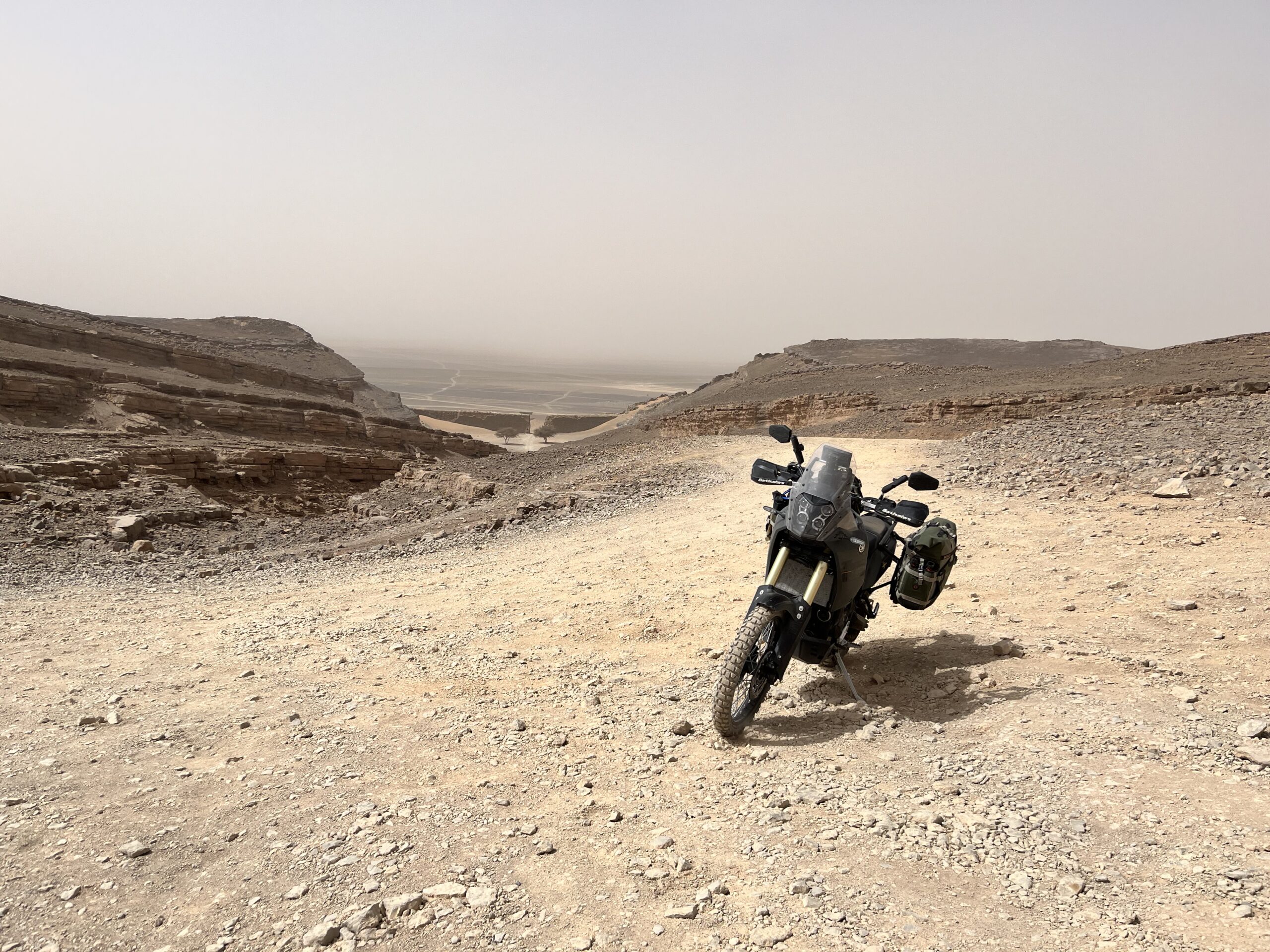
Morocco keeps pulling me back. Within a single day you can go from mountain roads in the Atlas to remote desert tracks that feel completely cut off from the rest of the world. The riding is unpredictable, the scenery is huge, and there’s always the feeling that something interesting is waiting around the next corner.
It’s also one of those places where the motorcycle really becomes part of the journey. You have to adapt, make decisions as you go and sometimes accept that the plan is going to change. That’s a big part of why I enjoy riding there so much.
Three rides. Three different bikes.
I’ve ridden Morocco three times, each time on a different motorcycle — first the Triumph Scrambler 1200 XE, then the Yamaha Ténéré 700, and most recently the Ducati DesertX Rally. Each trip was different, and each one taught me something new — about Morocco, about the bike I was riding, and about myself as a rider.
Trip 1 — Triumph Scrambler 1200 XE
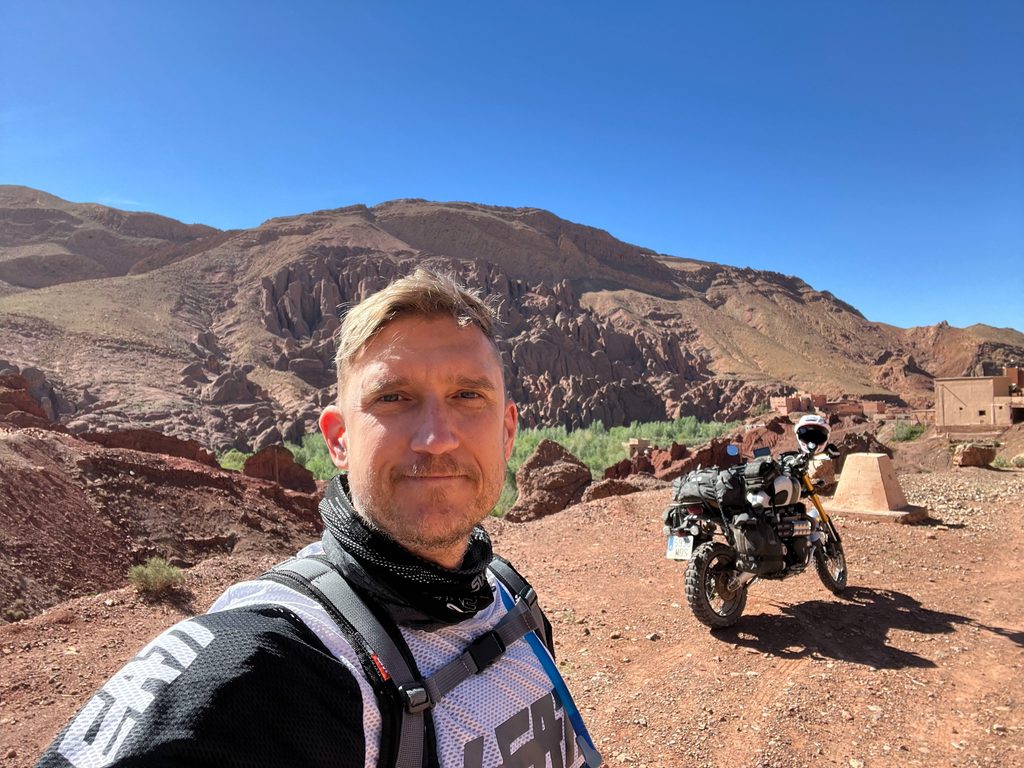
My first ride into Morocco was on the Scrambler 1200 XE. It was the trip that showed me just how much variety Morocco has — from mountain roads and rough tracks to huge open landscapes that make you want to keep riding just to see what comes next.
What I learned: You don’t need a conventional adventure bike to have a proper adventure. The Scrambler was heavy and far from perfect for some of the terrain, but it also made the trip memorable in a way a more obvious choice probably wouldn’t have.
Trip 2 — Yamaha Ténéré 700
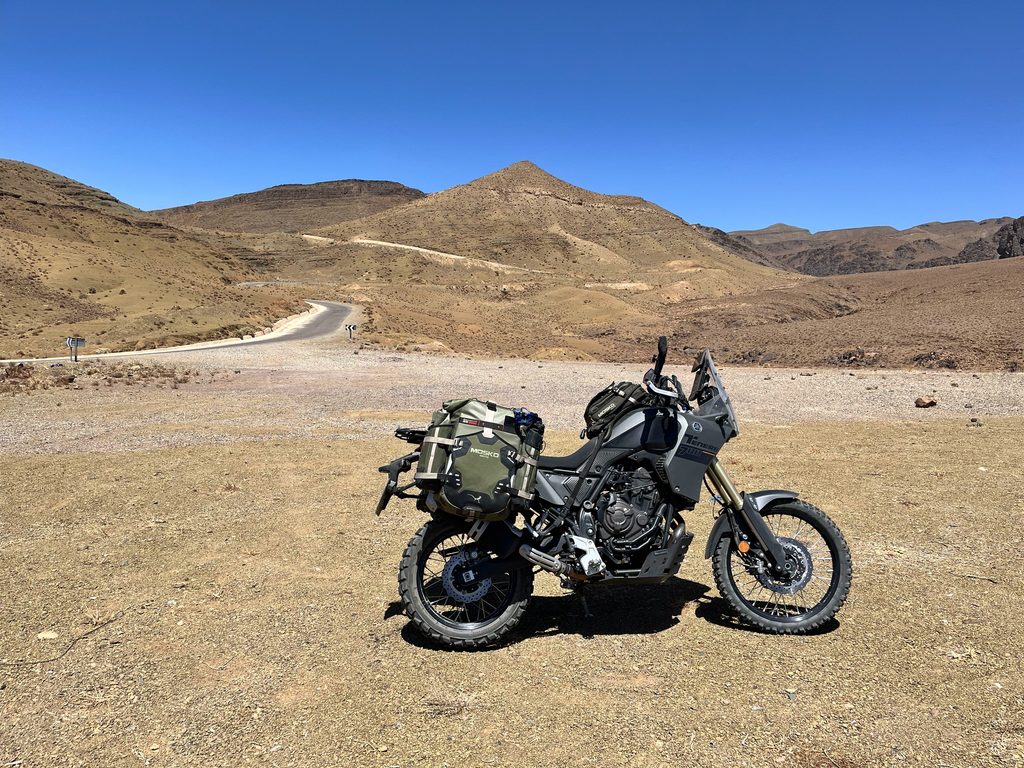
By my second Morocco trip, I knew a little more about what to expect — and this time I was riding a Ténéré 700. The lighter, more conventional adventure-bike setup made the rougher sections feel more natural and gave me more confidence to explore away from the main roads.
What I learned: The right bike can make difficult terrain easier, but experience matters just as much. I was more comfortable riding Morocco the second time because I understood the terrain better and was more willing to adapt when things didn’t go to plan.
Trip 3 — Ducati DesertX Rally
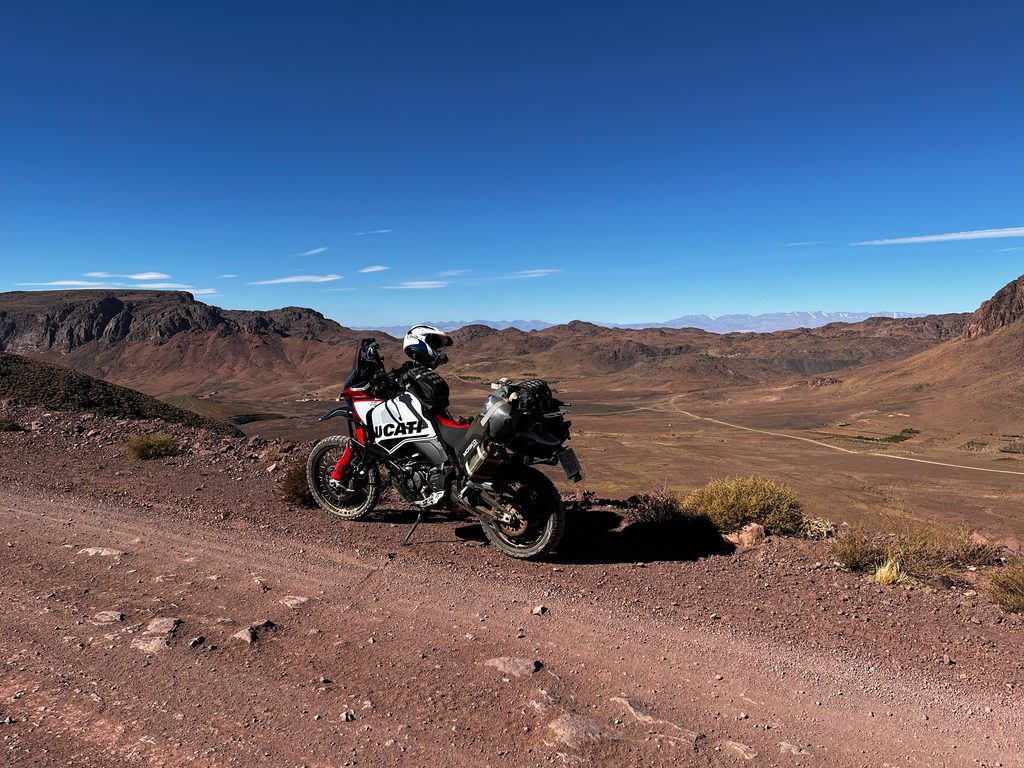
The third trip was on the Ducati DesertX Rally. By then I knew Morocco better, but the trip still managed to surprise me. The bike was fast, capable and brilliant in rough terrain, but it also reminded me that a highly capable adventure bike doesn’t remove the challenges — heat, fatigue, navigation and changing conditions still matter.
What I learned: More performance doesn’t automatically make an adventure easier. The DesertX Rally could handle almost anything I pointed it at, but Morocco still demanded respect, preparation and good judgement.
Routes & Practical Morocco Info
This section will bring together the practical side of riding in Morocco — routes, fuel, navigation, tyres, luggage, bike setup and the things I’ve learned from riding there on three different motorcycles.
Routes & Riding
Morocco offers a huge variety of riding — mountain roads, broken tarmac, gravel, rocky tracks and open desert. I’ll use this section to collect the routes I’ve ridden, along with navigation notes and practical details that could help anyone planning a similar trip.
Fuel & Range
I normally carry some extra fuel when I ride in Morocco. On the main routes it’s rarely a problem, but once you head into the Atlas Mountains or start exploring remote desert tracks, fuel stops can be much farther apart and it’s not always obvious where the next one will be. For me, carrying a little extra range is simply cheap insurance.
Navigation & Maps
For normal road riding I usually keep things simple and use Google Maps on my phone. Once I head off-road, I use both my Garmin and my phone, with a GPX-compatible app for following downloaded routes. Having two navigation options gives me a useful backup — especially in bad weather, when the phone can become difficult to use and may stop charging if the charging port gets wet.
Tyres & Bike Setup
On my first Morocco trip, the Scrambler 1200 XE was running Michelin Anakee Wild tyres with the standard suspension. For luggage I used LOMO waterproof soft panniers mounted on a pannier rack.
On the Ténéré 700 I was using Bridgestone Battlax Adventure A41 tyres. The suspension was mostly standard, but I had replaced the rear spring with a 90 N/mm spring to better suit my weight and luggage.
The biggest setup mistake came on the DesertX Rally. I had only just bought the bike and didn’t have time to change the original Pirelli Scorpion Rally STR tyres before leaving for Morocco. Looking back, that was the one thing I definitely should have changed before the trip.
Luggage & Packing
On the Scrambler 1200 XE I used LOMO waterproof soft panniers mounted on a pannier rack. It was a simple setup and gave me plenty of space for the trip.
On the Ténéré 700 I used a pannier rack with the Mosko Moto Backcountry Pannier Kit. This was a more substantial luggage setup and worked well for carrying everything securely on a longer trip.
For the DesertX Rally I changed to the Mosko Moto Reckless 80. That gave me a rackless soft-luggage setup and kept the luggage closer to the bike.
What I’d Do Differently Next Time
The first thing I’d change is the tyres. If I’m going to Morocco to ride off-road, I want proper off-road tyres from the beginning. I’d also carry a Garmin inReach. It isn’t a perfect solution, but when you’re riding somewhere remote, having another way of calling for help is worth it to me.
I’d also spend much less time riding through the more conventional tourist route around places like Chefchaouen, Fes and Ifrane. Chefchaouen is worth seeing the first time, but for the kind of motorcycle trip I enjoy, I find much of that part of Morocco less interesting. There can be a lot of traffic and long stretches of ordinary road, and I’d rather use that time exploring the Atlas Mountains and the desert.
Next time I would probably either fly to Marrakech and rent a motorcycle there, or ride from Tanger Med straight down to Marrakech on the motorway. From Marrakech, I could spend most of the trip riding the Atlas Mountains and heading south towards the desert — which is the Morocco I really want to explore.
The one route I still want to try is entering farther east from Nador or Melilla. I haven’t ridden that way yet, so I can’t recommend it from experience, but it looks like it could be a much more interesting way into the country for an adventure-bike trip.
Watch the Morocco Adventures
Planning Your Own Morocco Trip?
If you’re planning your own motorcycle trip to Morocco, my biggest advice is to decide what kind of riding you actually want to do before planning the route. If your priority is adventure riding, I’d spend less time trying to see every famous town and more time in the Atlas Mountains and the desert. Good tyres, reliable navigation and a sensible backup plan matter far more to me than ticking tourist destinations off a list.